Summary:
• Regular pet waste removal lowers exposure to bacteria and parasites that can linger in yards for years after waste breaks down.
• Scheduled scooper visits (weekly, biweekly, or monthly) reduce odor, protect lawns, and support a cleaner play space for kids and pets.
• Professional cleanup services in Aurora, CO follow a set assessment-to-cleanup process rather than a one-size-fits-all approach.
A clean yard is not just a matter of curb appeal. Routine pet waste removal directly reduces the bacteria, parasites, and odors that build up when dog waste sits on grass, patios, or play areas for more than a day or two.
For households in Aurora, pet waste removal in Aurora, CO has become a practical health decision rather than a convenience upgrade. Many local providers, including Poopless Yards, structure their visits around an initial yard assessment, followed by a recurring schedule tailored to household size and pet count. That structure matters because waste left untreated does not simply disappear. It breaks down slowly, and the pathogens inside it can remain active in soil long after the visible mess is gone.
Why Pet Waste Removal Protects Family Health
Dog waste carries more risk than most pet owners realize. The parasite eggs and bacteria inside it do not vanish when the feces decomposes.
• Roundworm and other parasite eggs can survive in soil for extended periods, exposing people who walk barefoot, garden, or let children play on the lawn.
• A single gram of dog waste can contain millions of fecal coliform bacteria, according to long-standing EPA-cited research on pet waste pollution.
• Bacteria such as E. coli, Salmonella, and Giardia can transfer from contaminated yards to hands, paws, and shoes.
The U.S. Environmental Protection Agency has classified pet waste as a nonpoint source pollutant, placing it in the same risk category as fertilizer runoff and other diffuse contaminants that affect local water quality. The EPA’s overview of nonpoint source pollution notes that rainfall and snowmelt can carry waste from yards into storm drains, eventually reaching lakes, streams, and groundwater. For a metro-area city like Aurora, where storm drains connect directly to local waterways, this is a relevant consideration for any household with a yard.
How Routine Cleanup Reduces Risk for Pets Too
It is not only people who benefit from a waste-free yard. Dogs that spend time outdoors are also exposed to whatever remains on the ground.
• Pets can reinfect themselves with parasites simply by sniffing or walking through old waste.
• Multi-dog households face compounded risk, since waste accumulates faster and parasite transmission between animals becomes more likely.
• Consistent removal schedules break the reinfection cycle before it starts.
A structured visit schedule, whether weekly, biweekly, or monthly, is designed to prevent waste from accumulating to the point where it becomes a health hazard rather than just a cleanup chore.
What a Professional Cleanup Process Typically Includes
Professional pet waste services generally follow a consistent workflow rather than an ad hoc approach. Based on published service descriptions, the general process includes:
1. Property assessment to evaluate yard size, terrain, and number of pets.
2. Scheduling based on household preference, with weekly, biweekly, or monthly options.
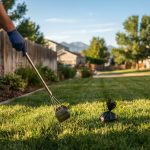
3. Thorough waste removal, including sifting through grass and landscaped areas where waste can be easily missed.
| Service Element | Typical Frequency | Primary Benefit |
| Initial yard assessment | One-time, first visit | Establishes accurate scope and pricing |
| Routine scooper visits | Weekly or biweekly | Reduces bacteria and parasite buildup |
| Monthly maintenance | Monthly | Supports lighter-use yards or smaller pet counts |
This kind of routine reduces the chance that waste sits long enough for eggs and bacteria to settle into soil, which is when the health risk compounds.
Frequently Asked Questions
How often should pet waste be removed from a yard? Most households benefit from weekly or biweekly visits, since waste left for several days gives bacteria and parasites more time to settle into grass and soil.
Does pet waste actually affect local water quality? Yes. The EPA identifies pet waste as a nonpoint source pollutant that can wash into storm drains and eventually reach streams and lakes during rain or snowmelt.
Is professional pet waste removal only for large yards? No. Scheduling is typically based on yard size, terrain, and number of pets, so smaller properties with one dog can still benefit from a lighter monthly or biweekly plan.
Can old pet waste still be a health risk even if it looks gone? Yes. Parasite eggs can remain in soil for years after the visible waste has broken down, which is why routine removal matters more than occasional cleanup.
Keeping a yard free of pet waste is a straightforward way to protect both the people and animals who use it daily. Consistent scheduling, careful sifting, and attention to problem areas like fence lines and landscaping beds make the difference between a yard that looks clean and one that is actually sanitary. Households in the Aurora area working with a service like Poopless Yards can expect a documented process built around assessment, scheduling, and thorough cleanup rather than a quick once-over.