Bottom line:
• Water left standing in a basement for more than 24 to 48 hours sharply increases the risk of mold growth, so fast extraction and drying matter more than any single cleanup product.
• Shutting off the water source, documenting damage with photos, and avoiding electrical hazards are the first safe steps before cleanup begins.
• Professional extraction, structural drying, and sanitizing reduce the chance of repeat moisture problems compared to DIY mopping and fans alone.
A flooded basement in Downers Grove calls for immediate water removal, controlled drying, and sanitizing before floors, drywall, or stored belongings sit in moisture long enough to support mold growth. Homeowners searching for Basement Flood Damage Cleanup in Downers Grove IL are usually dealing with an active or recent event, whether from a sump pump failure, a burst pipe, or heavy rain overwhelming aging stormwater infrastructure. Local properties face a particular mix of risks tied to the area’s older housing stock and drainage patterns near the East Branch of the DuPage River.
Basement flooding across DuPage County tends to follow a few recognizable patterns rather than being a matter of random bad luck. Knowing what those patterns look like makes it easier to spot trouble early and act before water causes serious damage. If your basement has already flooded, Connect with Parkside Restoration to talk through the next steps.
Why Basements Flood in Downers Grove
Several conditions specific to the area raise the odds of a flooded basement.
• Sump pump failure during heavy rainfall is a frequent trigger for sudden basement flooding.
• Aging stormwater infrastructure combined with intense storms can overwhelm drainage faster than older systems were designed to handle.
• Low-lying neighborhoods near the East Branch of the DuPage River see more frequent sewer backups and groundwater intrusion than higher-elevation lots.
• Older home construction often means less modern waterproofing at the foundation, window wells, or basement walls.
Recognizing which of these applies to a specific property helps determine whether the fix is a one-time cleanup or a sign that drainage upgrades are needed.
What to Do in the First Hours After a Flood
Acting quickly in the hours after discovering standing water changes the outcome significantly.
1. Stop the water source if it is safe to do so, whether that means shutting off a main valve or addressing a failed appliance.
2. Avoid electrical hazards by staying out of standing water near outlets, panels, or plugged-in equipment.
3. Photograph the damage before moving items, which supports any insurance claim.
4. Contact a restoration contractor who can begin extraction and drying rather than waiting to see if conditions improve on their own.
The EPA notes that it is important to dry water-damaged areas and items within 24 to 48 hours to prevent mold growth, which is why the gap between discovery and professional response matters as much as the cleanup method itself.
Professional Cleanup Versus DIY Response
Many homeowners try to manage a minor flood with shop vacuums, fans, and towels before realizing the moisture has traveled further than it appeared.
| Factor | DIY Response | Professional Cleanup |
| Water extraction | Limited to surface water, pooled water often remains | Industrial pumps and extractors remove water from carpet padding, subfloor, and wall cavities |
| Drying verification | Visual check only, no moisture meters | Moisture readings confirm materials are dry before closing up walls or flooring |
| Mold risk | Higher, since hidden moisture can persist for days | Lower, due to targeted dehumidification and monitoring |
| Insurance documentation | Homeowner must self-document | Contractor can provide detailed records of extraction and drying |
For a basement with more than a few inches of standing water, or water that has been sitting for more than a day, moisture typically moves into materials that a wet vacuum and box fan cannot fully address.
Working With a Local Flood Cleanup Team
Parkside Restoration, whose location can be viewed on View the Location of Parkside Restoration on Google Maps is one of the contractors serving Downers Grove and nearby DuPage County communities for water emergencies. The company responds for water extraction, structural drying, sanitizing, and the repairs needed to bring a property back to normal after a flood, pipe burst, or appliance leak. Choosing a contractor familiar with local drainage conditions and older home construction can shorten the time between the initial call and a dry, safe basement.
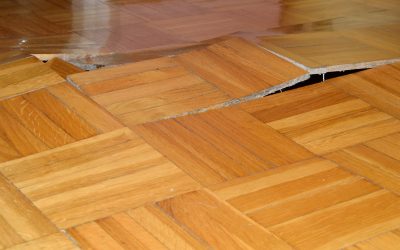
A flooded basement rarely resolves itself with time alone, and the cost of delay usually shows up later as warped flooring, lingering odors, or mold in places that were never fully dried. Taking the first safety steps immediately, then bringing in a team equipped to verify moisture levels rather than guess at them, gives a basement the best chance of returning to normal without repeat problems. Homeowners in Downers Grove dealing with an active flood should prioritize speed and documentation over trying to fully resolve the damage without the right equipment.
Frequently Asked Questions
How long does basement flood cleanup typically take? Emergency water extraction can often be completed within hours, while complete structural drying of floors, walls, and subfloor materials generally takes several days depending on the volume of water and the materials affected.
Can mold start growing right after a basement floods? Mold growth can begin quickly once materials stay wet, which is why drying water-damaged areas within the first day or two is considered critical for prevention.
Is it safe to clean up a flooded basement myself? Minor surface water in a small, well-ventilated area may be manageable, but standing water near electrical systems, sewage contamination, or water that has been sitting for more than a day generally calls for professional extraction and drying equipment.
What causes most basement floods in Downers Grove? Common causes include sump pump failure during heavy rain, aging stormwater infrastructure, and proximity to low-lying areas near local waterways, all of which can overwhelm a basement faster than expected.
Addressing a flooded basement starts with the right first moves and ends with verified, thorough drying rather than a quick surface cleanup. Property owners who understand both the local flood risks and the proper response sequence are better positioned to protect their homes from repeat water problems.